

Picture Mail Mail
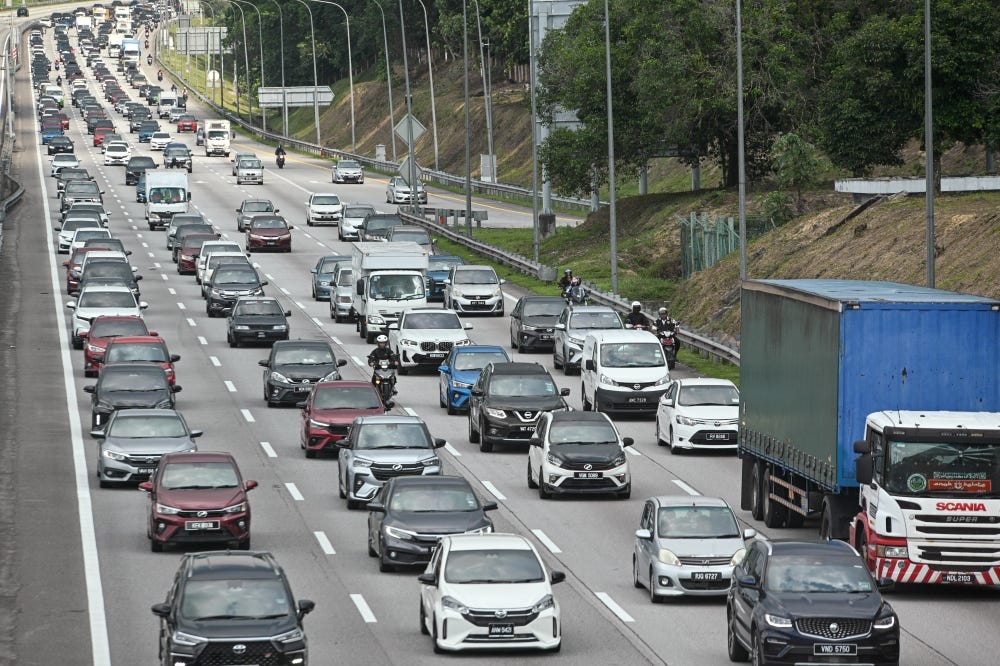
As Malaysians are travelling all over the Peninsula for the Hari Raya break in their cars, major changes to Malaysia’s fuel situation have just become apparent.
Prime Minister Anwar Ibrahaim said that disruptions in the Strait of Hormuz has tightened global supply and the country is feeling the impact of rising global prices triggered by the Gulf conflict. Malaysia is a net importer of crude oil and 80 percent of Malaysia’s imports goes through the Strait of Hormuz.
Petrol rationing along with price increases is already occurring in Vietnam, Laos, Thailand, Cambodia, and Australia. There is a flood of subsidized Malaysian RON95 coming across to Thailand which is now being sold between Baht 25-37 per litre as smugglers are making bumper profits.
International media reports claim that the Singapore Refining and Malaysia’s Pengerang Refining facilities are beginning to reduce output and shutting down units as the crude supplies from the Gulf are waning. Malaysia has promised to supply extra fuel to Cambodia as there are acute shortages in the country, and has other export commitments.
This means that Malaysian consumers may not be guaranteed a steady flow of fuel, particularly if the Strait of Hormuz remains blocked. There are rumors that Malaysian authorities are already talking to Iranian authorities for permission for vessels to pass through to Malaysia. This means Malaysia will not host any further US military ships to its ports.
What is sure is that the cost of crude will rise substantially and there will be pressure upon the government to pass on some of these increases to Malaysian consumers. The government is already subsidizing Malaysian motorists RM 3.2 billion per month at current prices.
It is estimated the Malaysian refinery may have around 30 day buffer inventories of crude. If Malaysia does not get an alternative source of crude or stop exports to overseas customers, then there will be fuel shortages in Malaysia.
Changing the source of supply is not as straightforward as it sounds, as the refinery will have to be recalibrated to suit the new specifications of incoming crude.
In Malaysia petrol rationing and rising prices at the pump might be inevitable.
Petrol subsidies in Malaysia are ridiculous and now with them reaching RM3 billion perhaps the government will take another look once the current shortage eases. This government simply cannot make hard decisions, which is why subsidy rationalization was a great idea until it came time to actually put them in place. At that point the government promptly shot itself in the foot by freezing the cost of petrol at close to RM1/litre under the actual cost. This is economic insanity.
Fuel subsidies are a necessity everywhere except in the gulf Arab states where oil is in abundance. The US subsidises fuel prices to an even greater extent than Malaysia does. The agricultural, mining and industrial sectors all benefit from fuel subsidies in North America (USA, Canada). Australia has a similar regime which varies across borders and states. But the fact of fuel subsidies to an even greater extent is present. As fuel costs fluctuate even more rapidly and unpredictably than gold, base metals or interest rates, industry will collapse and become totally unprofitable and unstable if the lifeblood of industry (fuel) was not subsidised. So criticisms over fuel subsidies in this contrext are ignorant and ill informed.