
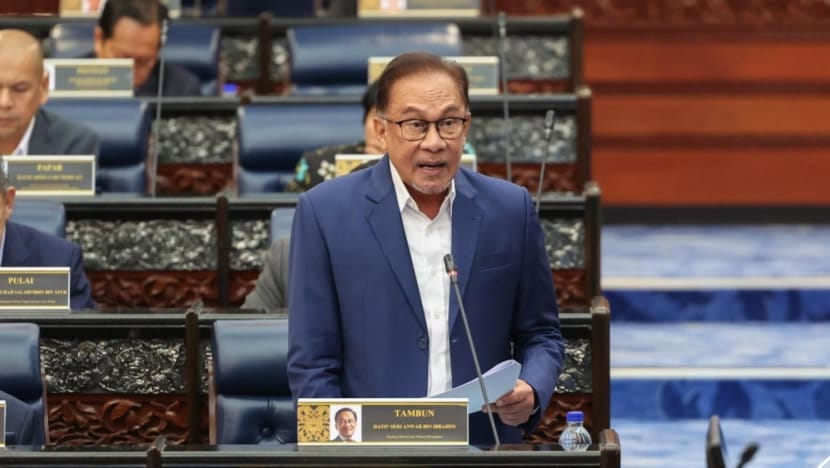
Prime Minister Anwar Ibrahim should have first verified the authenticity of the TikTok video that allegedly showed Perikatan Nasional (PN) chairman Tan Sri Muhyiddin Yassin defending fuel subsidies for foreigners.
Subsequent checks confirmed that Muhyiddin never made such a statement. Given this, Anwar should have ensured the veracity of the video before making accusations against Muhyiddin.
Despite having numerous staff and resources to fact-check and report on such matters, Anwar failed to verify the contents of the video before attributing false remarks to the opposition leader. Upon learning that the information was false, the Prime Minister ought to have apologised—either in Parliament or outside it.
All Muhyiddin requested was a simple apology. However, Anwar, shielded by parliamentary privilege, knew he could not be sued for defamation over statements made in the House. If Anwar truly stands by what he said, he should repeat the claim outside Parliament, where Muhyiddin would have the right to take legal action.
It is unbecoming of a Prime Minister to speak falsehoods in Parliament, especially when government agencies with substantial funding exist to verify information. Spreading untruths about others—particularly members of the opposition—undermines the integrity of the parliamentary process.
Anwar’s misrepresentation of Muhyiddin’s stance was a serious breach of parliamentary rules and ethics. He must not be allowed to get away with this falsehood. Accountability and truth must prevail in the highest legislative body of the country.
Subscribe Below:
You've missed the point completely. What's indefenisble about raising the possibility of an honest mistake or belief that is proved wrong later?
The "weapons of mass destruction" lie is merely an example of how things can go wrong and misinterpreted even by those with more resources and the ability to identify facts and the truth with; not something for others to follow.
Anwar did not mislead parliament if, at the time he made the statement to parliament, he held an honest and reasonable belief that the sources from which he obtained the information about what he said were credible and true. You can't always be sure or certain that whatever information you have at your disposal is true and correct. Situtions change as do facts. The "weapons of mass destruction" lie is one which prime ministers of more powerful coutries relied on to make their case for a war. None apologised.