
Urban renewal should not be reduced to merely handing over so-called underdeveloped parts of cities to developers who equate progress with commercial infrastructure.
Too often, this mindset leads to the transformation of historically rich areas into sprawling urban centers devoid of character.
Unfortunately, the prevailing approach among local, state, and federal governments—as well as property developers—suggests that urban renewal is becoming synonymous with further concretizing the present urban landscape.
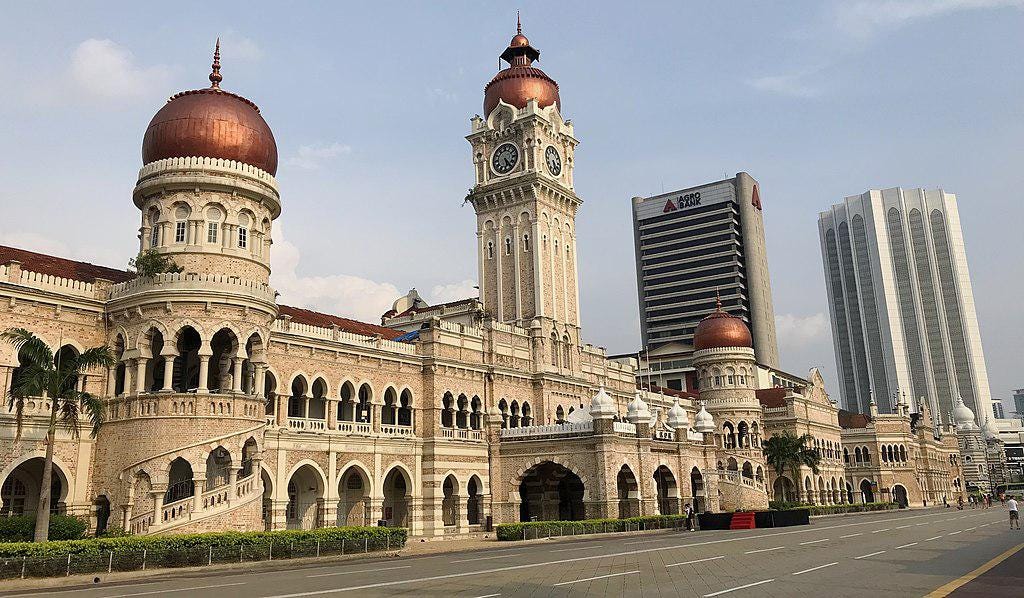
Instead of revitalization, we risk witnessing the erasure of historical and heritage-rich districts in favor of high-rise buildings and expansive transport systems.
Take Kuala Lumpur as an example. The city’s historical fringes and heritage centers, which define its unique identity, are increasingly at risk of being absorbed into a homogenous urban sprawl.
Prime Minister Anwar Ibrahim may offer reassurances that residents in historical kampungs, new villages, and former plantations will retain ownership of their land.
However, the issue extends beyond ownership—it is about the irreversible loss of heritage and cultural landmarks that give cities their distinct urban character.
It is not that the public outright distrusts the government, but political expediency often fuels skepticism.
As Julius Caesar famously stated that his wife must be above suspicion, Malaysians, too, expect their government to be beyond reproach in handling urban renewal.
The fear is that, under the guise of modernization, short-sighted policies will pave the way for developers and bureaucrats who see only one side of urban development.
Change is inevitable, but it should not come at the expense of a city’s history, identity, and livability.
Before rushing into implementing the Urban Renewal Act, a national committee comprising experts and civil society representatives should be formed to ensure that urban renewal does not fall into the hands of profit-driven developers.
Additionally, an inter-ministerial committee—not just the Ministry of Housing and Local Government—should oversee urban renewal to ensure a holistic, inclusive approach.
True urban renewal is not about constructing towering skyscrapers that drown out cultural heritage but about redefining cities to harmoniously integrate history, identity, culture, and sustainability.
The concern is not only that land may be acquired by the government but that the financial demands of large-scale, commercially driven renewal projects will make it impossible for lower-income communities to hold onto their properties.
If urban renewal is to be meaningful, it must be visionary—blending progress with preservation and ensuring that modernization does not come at the cost of erasing a city’s soul.
P. Ramasamy
Former professor of political economy at Universiti Kebangsaan Malaysia (UKM) and former deputy chief minister of Penang.
Subscribe Below: