
While everyone is concerned with fuel supplies, water is also at a critical level in Malaysia

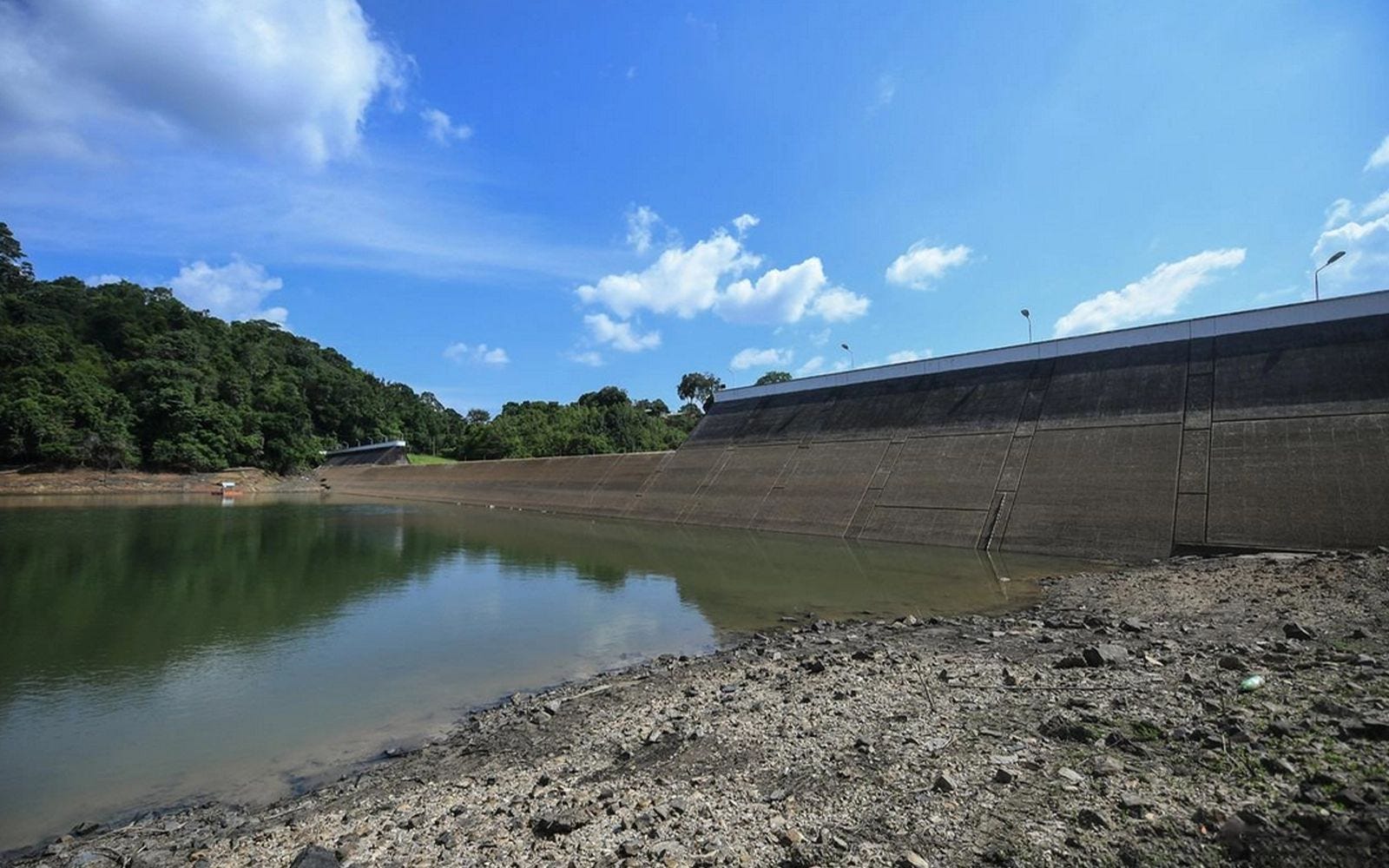
As Malaysians monitor fuel availability at petrol stations amid festive periods and occasional logistical hiccups, a quieter but potentially more severe crisis is unfolding: water security in Peninsular Malaysia is under significant strain due to prolonged hot and dry weather.
The current dry spell, linked to the tail end of the Northeast Monsoon, has pushed temperatures above 35°C in many northern areas, with some districts in Kedah and Perlis recording sustained highs of 37–40°C and triggering heatwave alerts. MetMalaysia forecasts these conditions persisting until at least early June, with only limited relief from occasional afternoon thunderstorms. A strong El Niño is increasingly likely to develop by mid-2026 (July–August), raising fears of even hotter, drier weather that could extend drought risks into 2027.
According to the National Water Services Commission (SPAN) -website is intermittently working, nearly a quarter of Malaysia’s monitored dams—about 10 out of 43—are now at cautionary levels below 70% capacity. A drop below 30% would trigger critical emergency concerns. The situation is most alarming in the north, particularly in Kedah, the nation’s “rice bowl”. The Muda Dam, a vital reservoir for irrigation and domestic supply serving over a million households across Kedah, Perlis, and Penang, has plummeted to around 7.5–8% capacity as of late March 2026. Other Kedah dams like Ahning (55%), Beris (59–60%), and Padang Saga (~61%) are also in cautionary territory. In Perlis, the Timah Tasoh Dam stands at approximately 38%, while Perak’s Bukit Merah Dam is similarly low at around 38%. Several dams in Johor have reached cautionary levels too, though the Linggiu Dam (which supplies Singapore) remains healthy above 90%.
These low levels threaten agriculture—especially the upcoming padi planting seasons—fisheries, and household water supply. Rivers are drying, evaporation is high, and demand continues to rise. While operators report that domestic supply remains stable for now in most areas, experts warn of increasing risks of disruptions, higher treatment costs, and broader economic impacts if the dry spell intensifies. This could potentially cause much financial hardship in northern rural areas later this year.
Fuel supplies may dominate headlines, with recent assurances from the Domestic Trade Minister confirming no widespread shortages and only isolated logistical issues. However, water is a more fundamental resource. Unlike petrol, which can be imported or stockpiled relatively quickly, replenishing depleted reservoirs depends on rainfall that has been scarce for weeks in key regions.
Some areas in Kedah and Perlis have gone 15–17 days without significant rain. The King and health authorities have urged the public to stay hydrated, limit outdoor activities during peak heat, and avoid open burning to reduce fire risks.
Water conservation is equally critical: avoid wastage, fix leaks, and use water prudently at home and in agriculture. Structural challenges are compounding the problem with aging infrastructure, non-revenue water losses, and historically low reserve margins in states like Kedah. Five-years plans have ignored these issues. Water planning and infrastructure has been developed very little over the last few decades.
Cloud seeding and contingency plans are under discussion, but long-term resilience requires better demand management, infrastructure upgrades, and climate adaptation. As the nation navigates economic pressures from fuel and living costs, the silent threat to water security demands equal attention. Conservation today can prevent rationing or agricultural losses tomorrow. With El Niño looming, proactive steps by authorities and the public will determine whether this dry spell remains manageable or escalates into a full-blown crisis.
Very soon the government may be dealing with both shortages in fuel and water.
Your donations are vital to keep some independent journalism alive.